


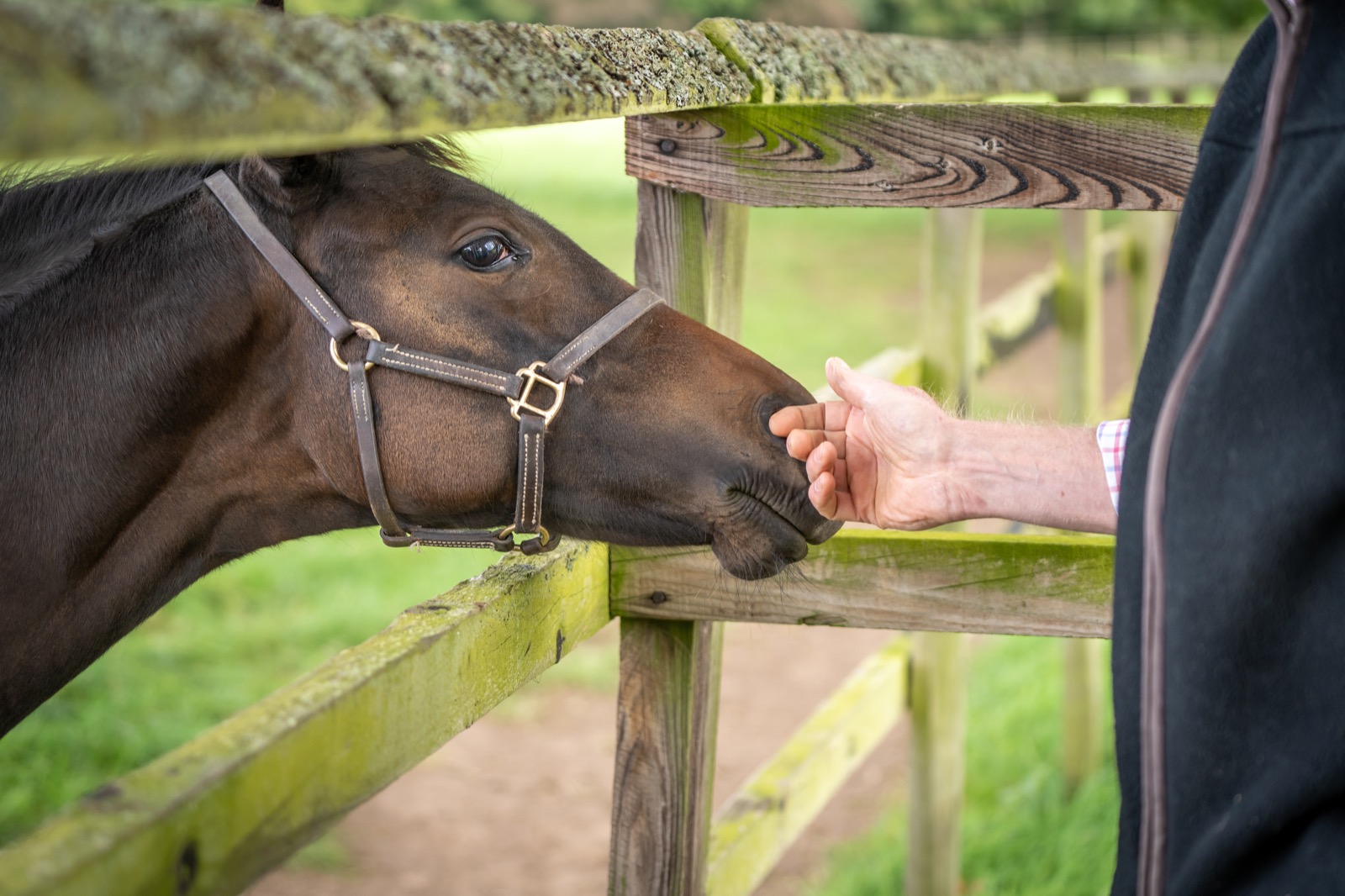
Understanding Equine Depression and Mental Wellbeing
Recognising the signs of depression in horses is an important part of responsible horse care. Just like humans, horses can experience changes in mood, behaviour, and emotional wellbeing that may affect their health, appetite, and daily behaviour.
A depressed horse may appear withdrawn, anxious, less responsive, or uninterested in activities they once enjoyed. These behavioural changes can sometimes develop gradually, making them difficult to spot early.
Understanding the warning signs of equine depression can help owners seek veterinary advice quickly and support their horse’s physical and mental wellbeing.
What Are the Signs of Depression in Horses?
Common signs of depression in horses can include:
- Withdrawal from people or other horses
- Reduced interest in exercise or interaction
- Increased anxiety or nervous behaviour
- Changes in posture or body language
- Loss of appetite or weight loss
- Standing still for long periods
- Appearing detached from surroundings
While some symptoms may appear mild at first, ongoing behavioural or physical changes should always be monitored carefully.
Withdrawn Behaviour in Horses
One of the most recognised signs of depression in horses is withdrawn behaviour.
A horse experiencing emotional stress may become distant from handlers, show little enthusiasm during grooming or riding, or lose interest in social interaction. Horses that once appeared relaxed and engaged may suddenly seem tense, detached, or emotionally flat.
Some horses may also avoid interaction within their stable environment, appearing uncomfortable or isolated even in familiar surroundings.
Increased Anxiety and Stress in Horses
Depressed horses may also display heightened anxiety or become more reactive to unfamiliar situations.
A horse that suddenly becomes easily spooked, nervous, or unsettled by routine activities may be experiencing emotional distress. Research into equine behaviour has also linked depressive behaviours with elevated cortisol levels, commonly known as the stress hormone.
Because stress and anxiety can affect both physical and mental health, sudden behavioural changes should never be ignored.
Physical Signs of Depression in Horses
Physical body language can often provide important clues about a horse’s emotional wellbeing.
Signs may include:
- A lowered head and neck posture
- Reduced ear movement or expression
- Standing motionless for long periods
- A glazed or distant appearance in the eyes
- Facing the wall while stabled
- Reduced energy or enthusiasm
Healthy, content horses are typically alert, curious, and responsive to their environment. Significant changes in posture or expression may indicate discomfort, stress, or underlying illness.
Changes in Appetite and Weight Loss
Changes in appetite can also be linked to depression in horses.
Some horses may eat less during periods of emotional stress, which can eventually lead to:
- Weight loss
- Reduced muscle condition
- Lower energy levels
- Increased susceptibility to illness
Because appetite changes can also indicate medical conditions, it is important to seek professional veterinary advice if symptoms persist.
What Causes Depression in Horses?
Several factors may contribute to depression or emotional stress in horses, including:
- Isolation or lack of social interaction
- Changes in routine or environment
- Chronic stress
- Illness or pain
- Lack of turnout or stimulation
- Poor stable conditions
Every horse is different, and emotional wellbeing is closely connected to physical health and daily management.
When to Seek Veterinary Advice
If you notice unusual changes in your horse’s behaviour, posture, appetite, or energy levels, it is important to consult a veterinary professional.
Symptoms associated with depression may sometimes be linked to underlying physical conditions such as:
- Gastric ulcers
- Colic
- Pain or discomfort
- Hormonal or neurological conditions
Early support and professional guidance can help improve both emotional wellbeing and long-term health outcomes.
Supporting Your Horse’s Mental Wellbeing
Supporting equine mental health involves creating a safe, comfortable, and enriching environment.
This may include:
- Consistent daily routines
- Regular turnout and movement
- Social interaction with other horses
- Mental stimulation and exercise
- Comfortable, clean stable conditions
- Reducing dust and environmental stressors
Because horses spend significant time in their stable environment, comfort and stable management can play an important role in their overall wellbeing.
Frequently Asked Questions About Depression in Horses
Can horses suffer from depression?
Yes. Horses can experience behavioural and emotional changes linked to stress, isolation, illness, or environmental factors.
What does a depressed horse look like?
A depressed horse may appear withdrawn, less responsive, low in energy, anxious, or uninterested in normal activities.
Can stress affect a horse’s physical health?
Yes. Long-term stress in horses may contribute to health problems including ulcers, weight loss, lowered immunity, and behavioural issues.
Should I contact a vet if my horse’s behaviour changes?
Yes. Sudden or ongoing behavioural changes should always be assessed by a veterinary professional to rule out underlying health conditions.